
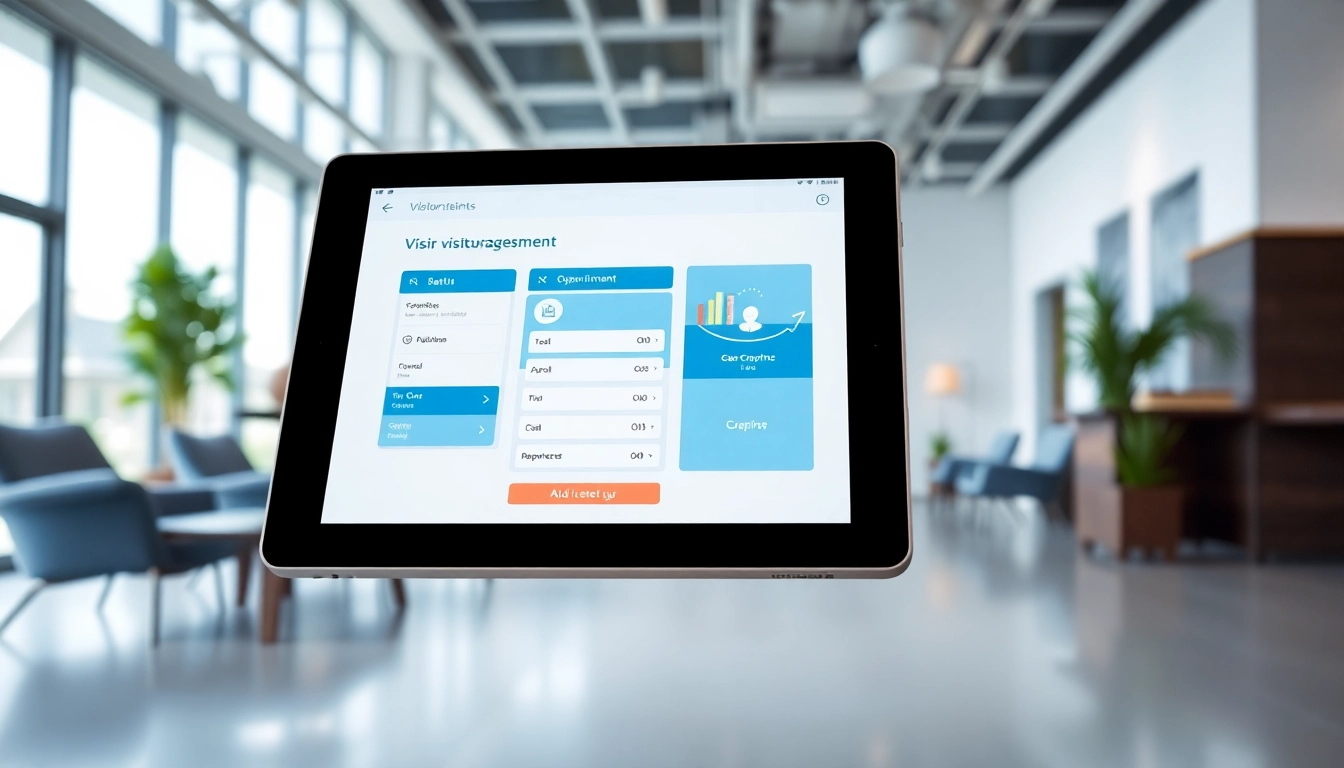
Understanding Visitor Management in Modern Business
As businesses evolve in the digital age, efficient visitor management has become a critical element in maintaining security and enhancing user experiences. The rising number of visitors, whether clients, contractors, or employees, necessitates a streamlined process that not only emphasizes security but also improves efficiency. Our comprehensive approach to visitor management aims to enhance workflows and visitor interactions alike. Discover how the latest technologies can revolutionize your visitor check-in and management processes when you visit us.
The Importance of Efficient Visitor Sign-In Processes
First impressions matter, and how a business handles its visitor sign-in processes speaks volumes about its professional standards. An efficient sign-in process reduces wait times and enhances the overall visitor experience. In-system digital checks seamlessly collect visitor information, automatically generating visitor badges and sending alerts to hosts. Implementing an effective sign-in process introduces professionalism while ensuring security protocols are maintained. In turn, this contributes to a positive brand image and can lead to increased customer satisfaction.
Key Features of Effective Visitor Management Systems
A comprehensive visitor management system goes beyond basic check-in functions. Consider these key features when choosing a system:
- Real-Time Visitor Tracking: Allows businesses to know who is on-site at any moment.
- Automated Notifications: Provides instant notifications to hosts when their visitors arrive.
- Document Management: Collects necessary documents and manages risk for liability.
- Custom Reporting: Offers insights and analytics about visitor patterns and behaviors.
- Integration Capabilities: Connects easily with existing systems such as security and HR software.
These features collectively enhance operational efficiency while providing a seamless and professional experience for visitors.
How Visitor Management Enhances Security and Compliance
One of the primary reasons for implementing visitor management systems is to tighten security protocols and ensure compliance with legal and regulatory guidelines. Digital check-in systems automatically record visitor data, creating a secure log that can be referred to when necessary. Furthermore, visitor identification can be verified against watchlists or security databases, ensuring that only authorized personnel gain access to specific areas. Compliance with regulations such as GDPR or HIPAA can also be managed more effectively with an efficient system.
Benefits of Implementing Visitor Management Software
Improving User Experience: Why You Should Visit Us
The integration of visitor management software improves user experience in numerous ways. By facilitating a quick and efficient check-in process, visitors feel welcomed and valued. The intuitive design of visitor management systems allows for an effortless experience, lessening frustrations commonly associated with manual check-ins. Moreover, through features like pre-registration, businesses can ensure that visitors have a smooth transition from front desk to their appointment, making a lasting first impression.
Cost-Effectiveness of Digital Sign-In Solutions
Adopting a digital sign-in solution can lead to significant cost savings. The reduction in paper usage, ink, and other printed materials is just the tip of the iceberg. By streamlining the entire visitor check-in process, businesses can reduce staffing costs associated with manual visitor processing. Digital systems also reduce the risk of errors in data entry, thereby eliminating costs related to correcting such mistakes. The onset of mobile apps and virtual solutions provides further opportunities for saving by decreasing the need for physical infrastructure.
Time-Saving Advantages for Modern Offices
Time is a precious resource, and visitor management systems are meticulously designed to save time for both visitors and staff. Quick check-ins reduce congestion at reception areas and enable hosts to engage with clients more effectively. Automating visitor registrations and follow-up communications allows employees to focus on their core responsibilities, thus improving overall productivity. Organizations that adopt these systems often report increased efficiency across various departments.
Choosing the Right Visitor Management System
Essential Features to Look For
When selecting a visitor management system, it is crucial to consider essential features tailored to meet your organization’s specific needs. Key components include user-friendly interfaces, customizable registration forms, and multi-language support for international visitors. Additionally, the ability to integrate with existing company systems—like access control—enhances security and operational efficiency. Evaluating these features will help ensure you select a system that aligns with your company’s goals and visitor expectations.
Comparative Analysis of Popular Systems
There are various visitor management systems available, each with unique features. A comparative analysis can provide insights into the strengths and weaknesses of these systems. For instance, systems like VisitUs offer user-friendly interfaces and robust reporting capabilities, whereas others may excel in security features. Researching reviews and case studies from organizations similar to yours can be invaluable in making an informed decision about the right system to invest in.
Customizability and Integration Options
The flexibility of a visitor management system in customization and integration is equally important. Organizations thrive on unique identities and operational modalities. A system that allows branding, custom workflows, and easy integration with tools like CRM or project management software can save substantial time and foster seamlessness in operations. Consider evaluations or demos to assess how customizable a platform is before committing to a system.
Best Practices for Visitor Management Implementation
Step-by-Step Guide to Executing Visitor Management Solutions
Successfully implementing a visitor management system requires careful planning and execution. Here are crucial steps to follow:
- Determine the specific requirements of your organization in terms of visitor management.
- Research and compare available systems and select one that meets your needs.
- Conduct a pilot test to gauge functionality and ease of use.
- Train your staff thoroughly on how to handle the new system.
- Launch the system organization-wide and gather feedback for adjustments.
- Continuously evaluate system effectiveness and make improvements as necessary.
This structured approach can enhance user adoption and ensure smooth operations after deployment.
Training Staff for Effective Visitor Management
Staff training is a critical component of a successful implementation. Employees must understand how to use the visitor management system effectively and how to communicate with guests. Utilize training programs that encompass interactive sessions and ongoing support to keep staff updated on new features or changes. Leveraging simulations and real-life scenarios can help minimize resistance to the transition and build confidence in using the system.
Measuring Success: Key Performance Indicators
Once the visitor management system is implemented, measuring its success is vital. Key performance indicators (KPIs) may include:
- Visitor check-in times.
- Reduction in manual data entry errors.
- Feedback ratings from visitors regarding their check-in experience.
- Number of security incidents reported.
- Operational costs before and after implementation.
Establishing these metrics will provide insight into the effectiveness of the system and highlight areas for ongoing improvement.
Future Trends in Visitor Management Technology
How AI and Machine Learning are Shaping Visitor Management
The integration of AI and machine learning into visitor management is revolutionizing how businesses operate. These technologies enable systems to learn from vast data datasets, improving functionalities such as real-time resource allocation and predictive analytics. For instance, predictive analytics can anticipate visitor volume, allowing businesses to adjust staffing levels accordingly. AI can also enhance security through biometrics and facial recognition, increasing efficiency without compromising safety.
Emerging Technologies: Beyond Digital Check-Ins
Beyond traditional visitor management, emerging technologies are redefining experiences. Augmented reality (AR) can facilitate guided tours and real-time information sharing, enriching the visitor experience. Furthermore, mobile applications provide visitors with instant access to host information, enhancing communication. Exploring these innovative technologies can offer businesses an edge in customer engagement and security.
Preparing Your Business for the Future of Visitor Management
To remain competitive, businesses must prepare for future developments in visitor management. This can be achieved through regular assessments of new technologies, ongoing staff training, and maintaining flexibility within operational processes to adapt quickly to changes. By fostering a culture that embraces innovation, businesses can leverage new technologies to create an enhanced experience for their visitors, employees, and hosts alike.